Smart technology has transformed many everyday devices, and portable power systems are no exception. Modern solar generators are no longer just large batteries with outlets; they now include digital intelligence that improves safety, efficiency, and ease of use. These systems help households, travelers, and outdoor workers manage electricity in ways that feel familiar, similar to using a smartphone app or smart appliance. Instead of guessing how much energy remains or when charging should happen, users receive clear data and automated adjustments. This blend of power electronics and software makes backup energy more practical for daily life. In this article, the key features that make a solar generator truly “smart” are explained in simple, real-world terms.
1. Remote Control via App
Monitor power levels from your phone
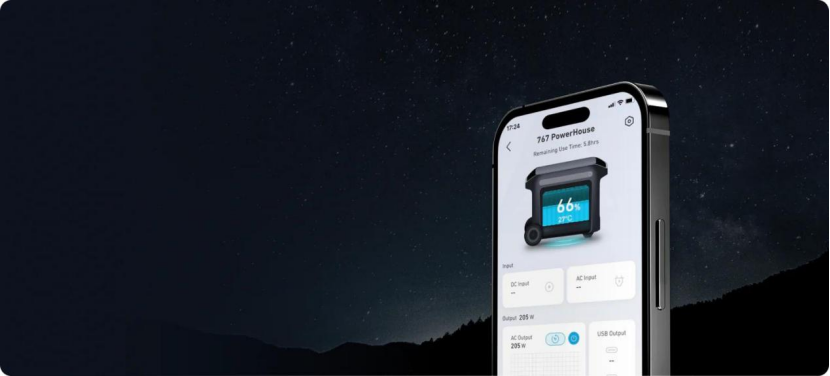
Smart solar generators often connect to mobile apps, giving users the ability to check battery levels without being physically near the unit. This is especially helpful during storms or outdoor trips when the device may be stored in a garage, tent, or vehicle. Real-time displays show how much energy remains and how quickly power is being used. Clear readouts in watts units help people understand which appliances are drawing the most electricity. This visibility reduces the risk of unexpected shutdowns at critical moments. Convenient monitoring adds confidence and better planning to everyday power use.
Adjust settings and start/stop charging remotely
App control goes beyond monitoring by allowing charging behavior to be managed from a distance. Charging can be paused during peak sunlight to prioritize solar input or resumed later when needed. Output ports may also be turned on or off remotely to conserve energy. This level of control is useful when devices are left running in another room or outside. Adjustments can be made quickly without unplugging equipment. Remote control simplifies power management in both home and outdoor situations.
2. AI Energy Optimization
Automatically matches power to device needs
Advanced systems use internal software to distribute electricity efficiently based on connected devices. Instead of delivering a fixed output, the generator adapts to changing loads. Small electronics receive stable power without unnecessary strain on the battery. Larger tools or appliances get the extra surge they need during startup. This intelligent balancing improves overall system efficiency. Automated matching helps protect both the battery and the connected equipment.
Learns usage to extend battery life
Some smart generators analyze usage patterns over time to improve long-term performance. By recognizing when energy demand usually rises or falls, the system can adjust charging cycles accordingly. This reduces deep discharges that shorten battery lifespan. Temperature and load data may also influence how energy is stored and delivered. Smarter charging habits mean the battery remains healthier over years of use. Long-term optimization translates into more reliable backup power.
3. Real-Time Monitoring & Alerts
Tracks performance and detects issues
Continuous system monitoring allows the generator to check voltage, temperature, and output stability. If a cable becomes loose or a device draws too much power, the system can identify irregular patterns. Early detection helps prevent small issues from becoming serious failures. Performance tracking also helps users understand daily energy trends. Clear data makes troubleshooting simpler and faster. Ongoing oversight improves both reliability and safety.
Sends maintenance or error alerts
When something needs attention, smart systems provide notifications instead of leaving users guessing. Alerts might indicate overheating, overload conditions, or connection problems. Timely warnings allow quick action before damage occurs. Maintenance reminders can also suggest when to inspect cables or vents. These digital prompts function like a built-in technician. Automated alerts make energy systems more approachable for non-experts.
4. Smart Charging & Integration
Prioritizes solar power when available
Smart generators often detect when solar input is active and automatically favor it over other charging sources. This maximizes free, renewable energy use during daylight hours. When sunlight weakens, the system can switch smoothly to stored power or another input source. Intelligent switching happens without manual intervention. This seamless process improves efficiency and reduces wasted energy. Prioritizing solar input makes daily operation simpler and more sustainable.
Works with smart home or grid systems
Integration with home energy setups allows a generator to become part of a larger power ecosystem. Some systems can coordinate with home circuits to support essential devices during outages. Communication between devices ensures energy is used where it matters most. This reduces the need for constant manual adjustments. Smart integration also supports smoother transitions between power sources. Connected systems create a more flexible and resilient energy environment.
5. Automated Safety Features
Shuts off if overloaded or overheating
Safety automation is one of the most valuable smart features in modern generators. Internal sensors track temperature and electrical load in real time. If limits are exceeded, the system can shut down outputs to prevent damage. This protection reduces the risk of melted wires or battery stress. Automatic shutdown also protects connected appliances. Built-in safeguards make the system safer for indoor and family use.
Adapts to weather conditions automatically
Environmental conditions can influence charging speed and battery performance. Smart systems may adjust charging rates during extreme heat or cold to protect internal components. Moisture detection or ventilation monitoring further enhances safety. These adjustments happen in the background without requiring user input. Weather-aware behavior extends system lifespan. Automated adaptation adds another layer of dependable protection.
Conclusion
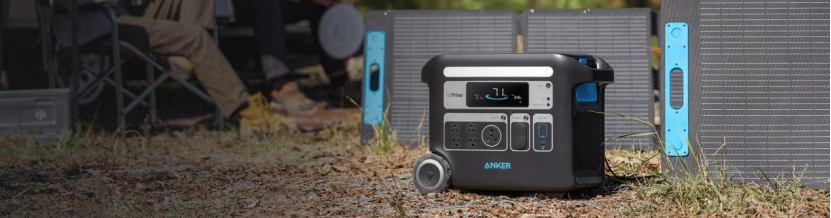
Smart features elevate solar generators from backup batteries to daily energy companions. Through app connectivity and real-time monitoring, users can manage power as easily as any other smart device. In real-world scenarios like home backup or outdoor work, systems featuring remote app control and adaptive charging — such as the Anker SOLIX F2000 Portable Power Station — demonstrate clear advantages. These intelligent functions ensure energy is available when needed while reducing manual effort and uncertainty. As technology continues to evolve, portable power systems are becoming more reliable, efficient, and user-friendly than ever.