
Parenting at home involves constant attention to small details that quietly shape a child’s daily safety. Ordinary household items such as furniture, doors, and appliances can pose risks once children begin to crawl, walk, and explore. Many safety improvements do not require major renovations, but they do require awareness and consistent habits. When safety features are integrated into normal routines, they become easier to maintain over time. A calm and practical approach helps parents focus on prevention rather than reacting to accidents. In this article, essential home safety features every parent should know are explained in a clear and everyday-focused way.
1. Childproofing Every Room
Secure Furniture and TVs to Walls
Unsecured furniture is a common yet often overlooked household risk for children. Bookshelves, dressers, and televisions can tip over if a child pulls or climbs on them. Securing these items to walls with appropriate anchors greatly reduces this danger. This step is especially important in bedrooms and living rooms where children spend most of their time. Wall anchors are usually discreet and do not affect how furniture is used daily. Properly secured furniture creates a safer environment without changing the look or comfort of the home.
Use Outlet Covers and Corner Guards
Electrical outlets and sharp corners are naturally appealing to curious children. Outlet covers help prevent fingers or objects from being inserted into sockets. Corner guards soften hard edges on tables and counters, reducing injury during falls. These additions are small, inexpensive, and quick to install. Parents often find they blend easily into home décor over time. Simple protections like these quietly reduce everyday risks as children move more confidently.
2. Safety Gates and Door Locks
Install Gates at Stairs and Doorways
Stairs pose one of the highest risks for young children, especially during early walking stages. Safety gates create clear physical boundaries without constant supervision. Gates should be installed securely at both the top and bottom of the stairs. Doorways leading to kitchens or garages may also benefit from barriers. Regular checks ensure gates remain stable and properly aligned. Well-placed gates support safe exploration while limiting access to hazardous areas.
Use Locks for Cabinets with Hazards
Cabinets often store cleaning products, tools, or sharp objects that should remain inaccessible. Childproof locks help prevent accidental exposure to harmful items. These locks allow adults to access cabinets easily while limiting children’s reach. Placement should focus on low cabinets within easy crawling or walking range. Over time, checking locks ensures they continue to function properly. Controlled access reduces risks during everyday household tasks.
3. Monitor Your Child’s Environment
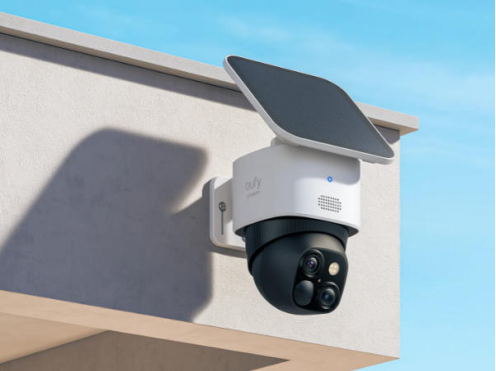
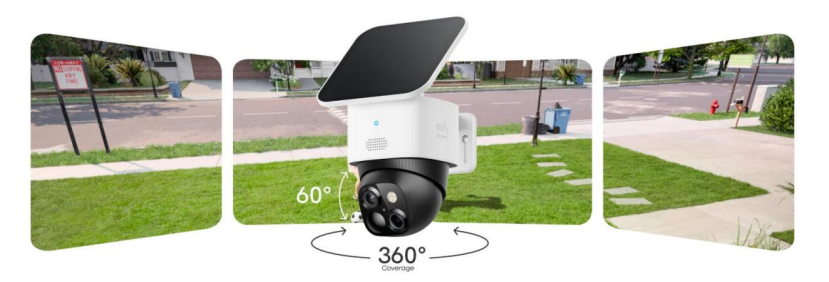
Monitoring a child’s environment helps ensure their safety while allowing parents to carry on with their own routines. Visual and audio monitors make it easier to keep an eye on movement, sleep, and play, without needing to be in the room constantly. In shared spaces or nurseries, where activity can shift from one area to another, a camera that can pan and tilt is especially useful—it can follow a child’s movement gently and quietly, without requiring manual readjustment. A PTZ security camera, such as those offered by brands like eufy, is often chosen for this purpose, as it provides that flexible coverage while blending discreetly into the room. This kind of thoughtful monitoring supports awareness without being intrusive, striking a balance between a child’s independence and a parent’s peace of mind.
4. Prevent Poisoning and Burns
Lock Away Medications and Cleaners
Medications and cleaning supplies are common causes of accidental poisoning in households with children. These items should be stored in locked cabinets or placed well out of reach. Original packaging helps ensure labels and safety instructions remain visible. Even everyday products such as vitamins or detergents should be treated with care. Regularly reviewing storage locations helps prevent accidental access. Secure storage reduces risks during routine cleaning or caregiving moments.
Use Stove Guards and Tap Water Temperature Checks
Kitchens and bathrooms are frequent sites of burn risks. Stove guards help prevent children from touching hot surfaces or pulling pots within reach. Turning pot handles inward further reduces accidental spills. In bathrooms, checking tap water temperature helps prevent scalding. Many households benefit from setting water heaters to safer temperature levels. Simple adjustments like these protect children during normal cooking and bathing routines.
5. Prepare for Emergencies
Emergency preparation supports calm and effective responses during unexpected situations. Parents benefit from keeping essential supplies organized and accessible. Emergency contact information should be easy to find for caregivers or older children. Practicing basic responses helps reduce panic when time matters, ensuring every family member can react automatically and effectively in a crisis. Preparation does not need to feel alarming to be effective. Small steps create readiness without disrupting daily life.
Conclusion
Home safety for parents is built through consistent, thoughtful choices woven into everyday routines. Childproofing rooms, managing access, and preventing burns or poisoning all contribute to a safer environment. Monitoring tools can support awareness while allowing children to explore and develop. When chosen carefully, options such as an eufy PTZ security camera can integrate naturally into family life without adding stress. Safety features work best when they feel practical and familiar. A well-prepared home supports confidence, comfort, and long-term peace of mind for both parents and children.