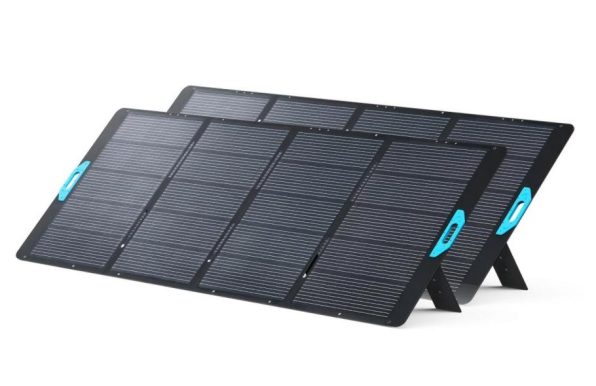
A solar-powered home gains a surprising set of benefits that rarely show up in installation guides or energy reports. Many families discover that once sunlight becomes part of their daily power supply, their routines, awareness, and comfort levels shift in unexpected ways. You begin noticing the changing patterns of daylight, paying attention to when appliances run, and feeling more involved in how your home operates. Even portable solutions like the Anker SOLIX PS400 Portable Solar Panel make this connection more tangible, because you can position it, adjust it, and immediately see the impact of sunlight. Solar power transforms not only energy bills, but the entire relationship between a household and the environment that supports it.
How Solar Power Quietly Reshapes Daily Life?
A Household Starts Responding to Natural Rhythms
Solar homes often experience a subtle but meaningful change: people begin paying attention to the flow of daylight. Morning light signals incoming energy, and afternoon shade hints that production will taper off. This awareness is not about restrictions—it is about alignment. Homeowners feel more connected to the world outside their walls. The effect becomes even more concrete when using something hands-on, like the Anker SOLIX PS400. Moving the portable panel from partial shade into direct sun instantly boosts performance, making solar production feel real instead of abstract. This shift helps families appreciate the natural cycle that powers their home and builds a calming sense of predictability around daily energy use.
Energy Habits Become Intentional Instead of Automatic
Most households run appliances without thinking. But in a solar-powered home, people often become more mindful—not because they must, but because they want to. When you know your home is generating its own electricity, switching on a device feels different. You become aware of timing and flow. Laundry loads shift into the bright mid-day window. Device charging becomes a natural part of sunny mornings. Outdoor lighting may run longer on days when the system produced more. This mindfulness often spreads throughout the family. Children ask whether it’s “a good solar day.” Adults check sunlight before powering tools or garden equipment. Portable panels solar home like the PS400 even turn solar awareness into a shared activity—finding the best angle, adjusting the tilt, or testing the difference between morning and afternoon conditions.
Self-Sufficiency Lowers Hidden Stress Levels
A major but often unspoken benefit of solar power is psychological relief. Much of the stress surrounding home energy does not come from outages, but from uncertainty—rising prices, unpredictable fees, or external system issues you can’t control. Solar reduces that unpredictability. When you wake up knowing sunlight will power a portion of your day, it brings a subtle sense of stability. The home feels more capable. Some families call it “quiet confidence”—a feeling that the house can take care of itself. Portable solar panels like the PS400 strengthen this confidence further. They offer flexible backup during camping trips, outdoor events, or unexpected situations, reinforcing the idea that energy independence is not limited to the roof but can move with you.
How Solar Power Strengthens Home Connection and Future Planning?
Solar Energy Becomes a Shared Family Topic
Energy is usually something people do not talk about unless a bill arrives or a problem occurs. Solar changes that dynamic. Families begin discussing sunlight forecasts, panel output, and outdoor conditions the way others discuss weekend plans. Kids understand where power comes from. Adults feel more engaged in how the home operates. Older family members appreciate the reliability that comes from producing part of their own energy. When everyone can participate, energy becomes approachable. Adjusting the tilt of a portable PS400 panel, choosing the sunny side of the yard, or monitoring its output creates small collaborative moments that make the system feel like part of the home’s identity.
The Home Gains a New Purpose Beyond Shelter
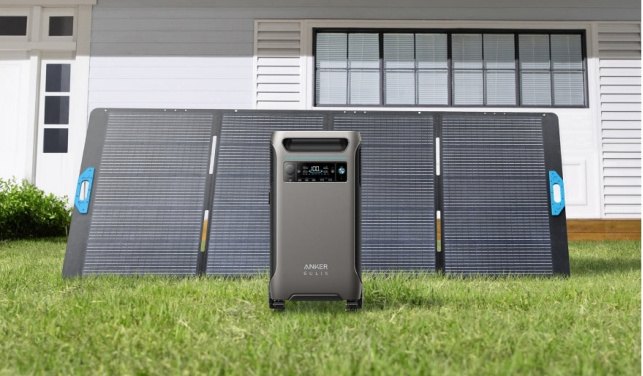
Before solar, a house functions mostly as a place to live. After solar, the house becomes a contributor. It no longer just consumes resources—it produces something valuable. The roof becomes active, not passive. Even patios or backyards can transform into micro solar stations with portable panels like the PS400. This shift changes how people perceive their home. They start seeing it as a participant in the family’s long-term well-being, not merely a structure. Homeowners often report feeling a deeper sense of appreciation, knowing their living space helps generate clean energy every day.
Solar Living Encourages Long-Range Thinking
Solar homes naturally adopt longer planning horizons. You start thinking about seasonal changes, equipment lifespan, potential battery pairing, and how energy habits evolve as your family grows.
This mindset often spreads beyond power planning. Households become more deliberate about purchases, project timing, and lifestyle choices. The durable, portable design of the PS400 reinforces this long-term perspective. It encourages families to consider how solar tools can support future travel, outdoor projects, or backup needs. Planning ceases to be reactive and becomes strategic—a meaningful shift that benefits far more than energy use.
Conclusion
A solar-powered home gains far more than electricity. It gains awareness, connection, emotional stability, and a new rhythm of living that aligns daily routines with natural light. Families become more intentional, more collaborative, and more confident in their energy future. Tools like the Anker SOLIX PS400 Portable Solar Panel further enrich this experience by making solar power interactive and portable, extending its benefits beyond the rooftop into everyday activities. When sunlight begins powering your home, it doesn’t just change your utility bill—it changes the way you experience comfort, independence, and the simple act of being at home.